











Auditus
I started a hardware company at 14. It's shipping, patented, and licensed by Microsoft.
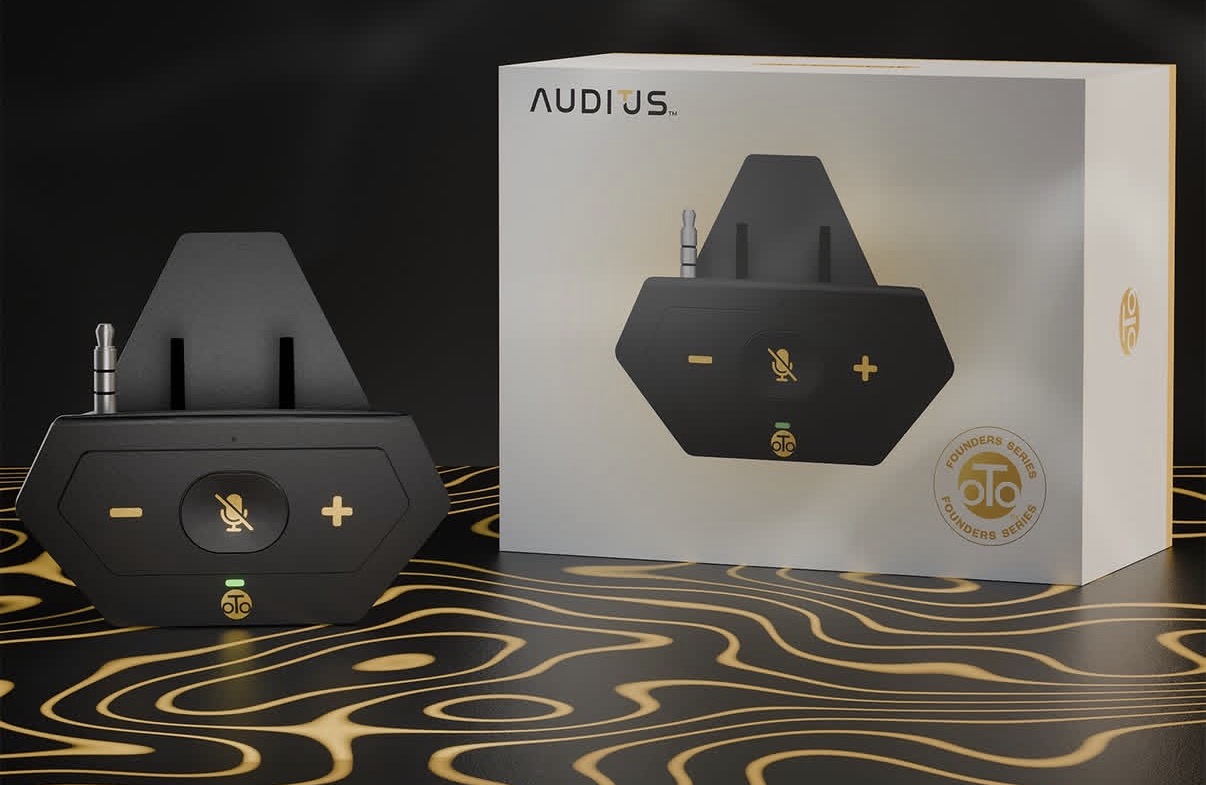
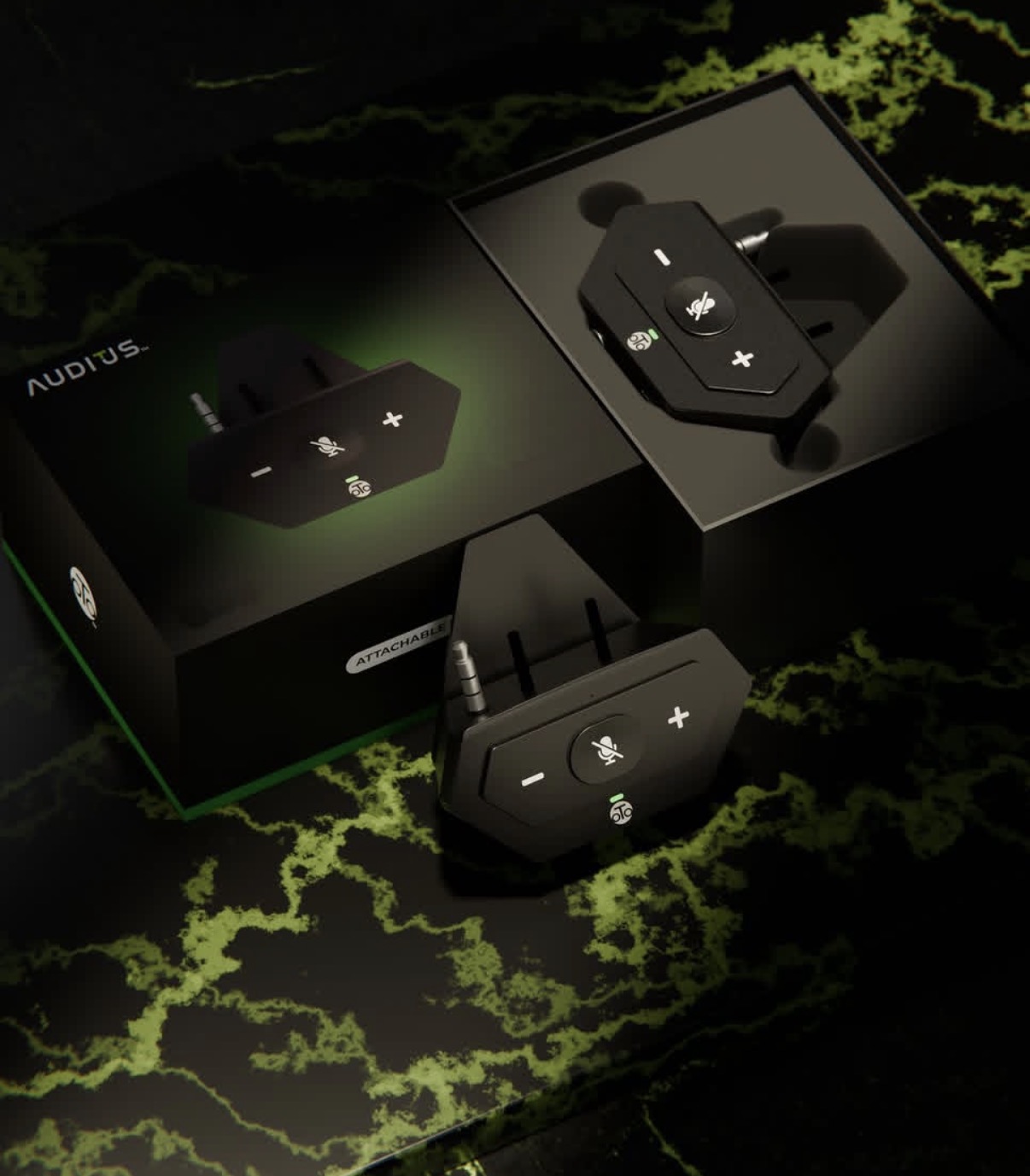
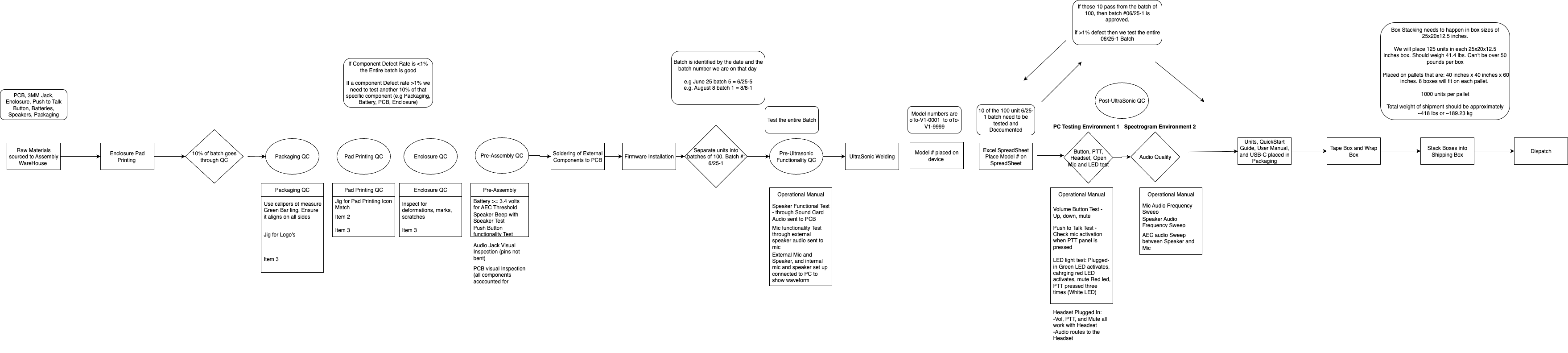
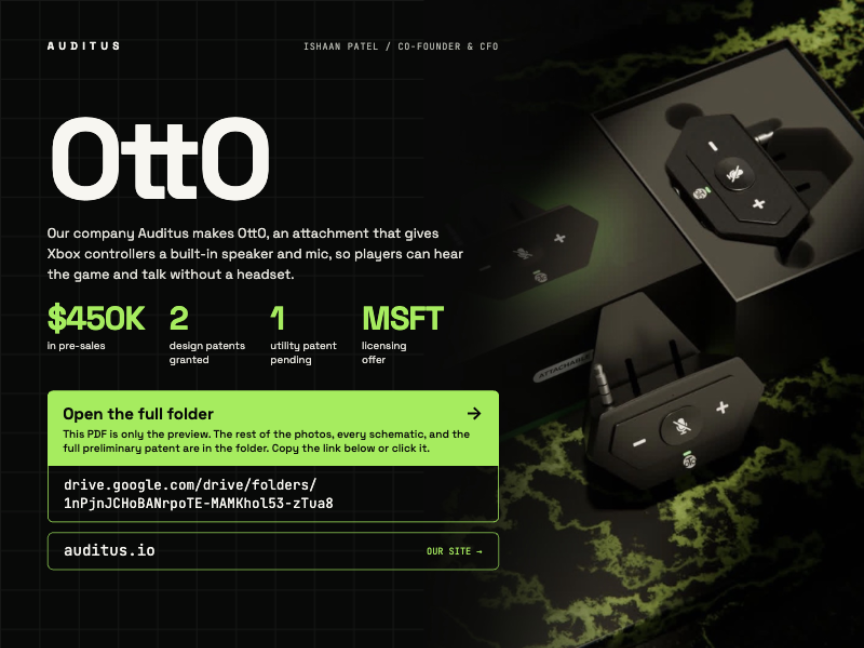
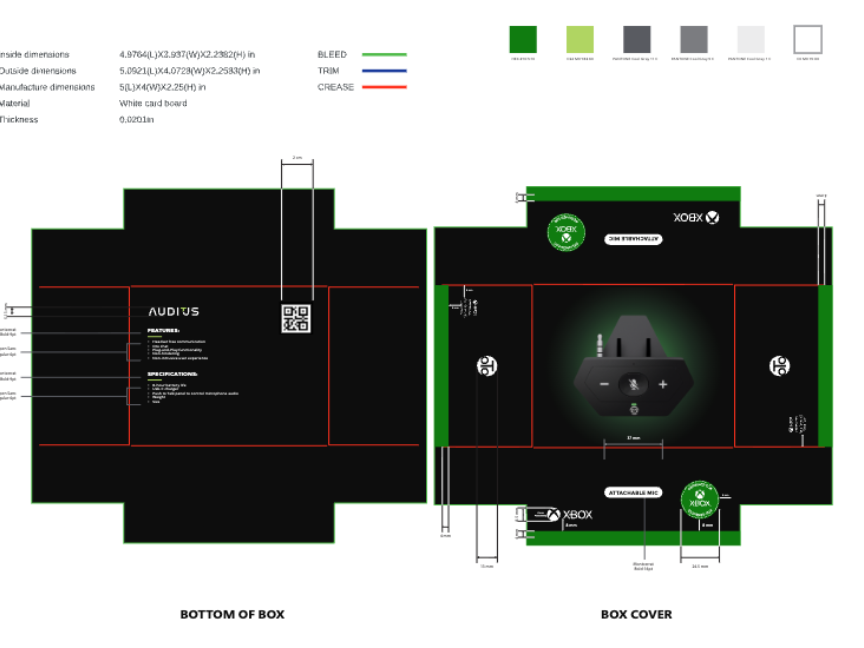
Auditus makes oTo, a headset-free mic and speaker that clips onto an Xbox controller. Full audio from the controller, no headset. It is a physical product: a custom board, a housing, a supply chain, a storefront. Hardware is the hardest kind of startup to run as a teenager because every mistake costs money and weeks. My brother and I started it in February 2023.
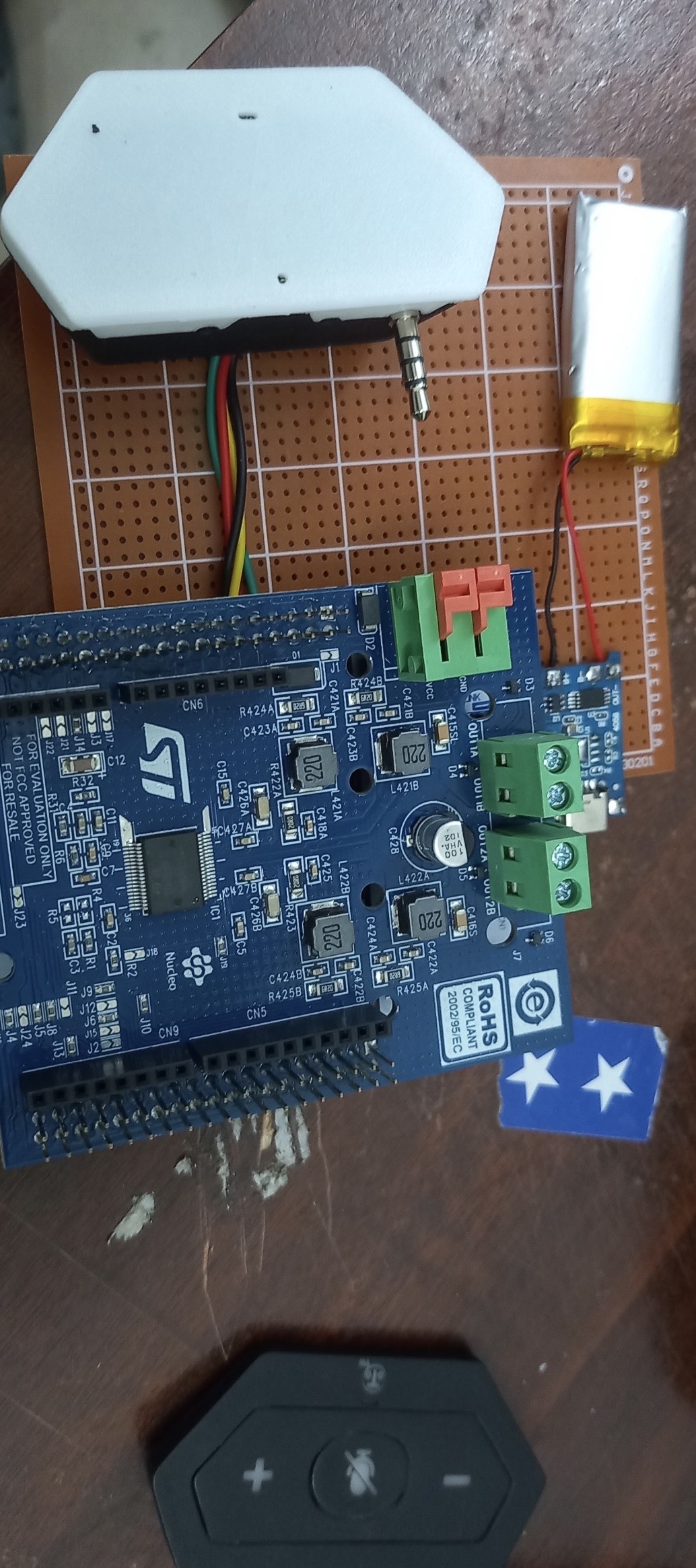
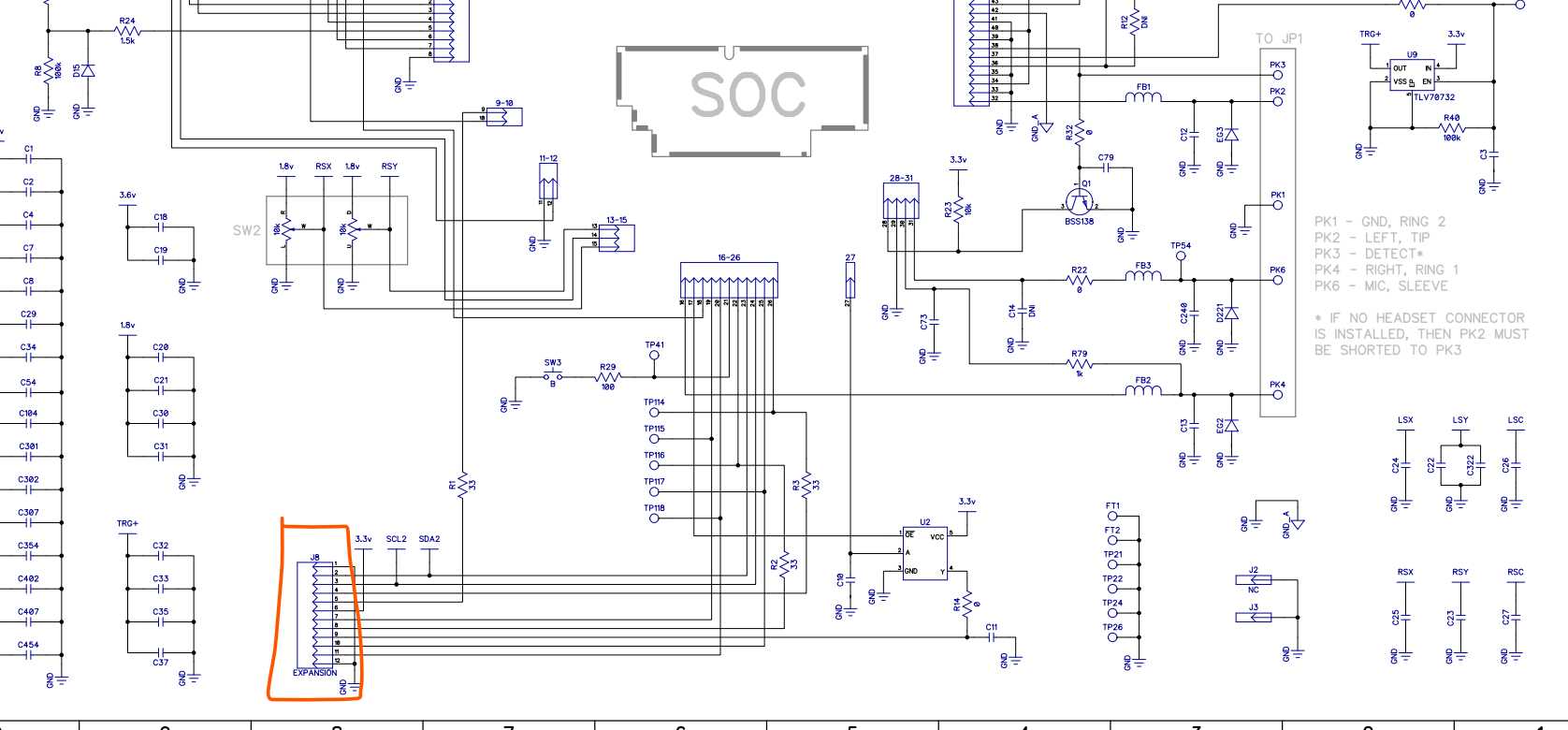
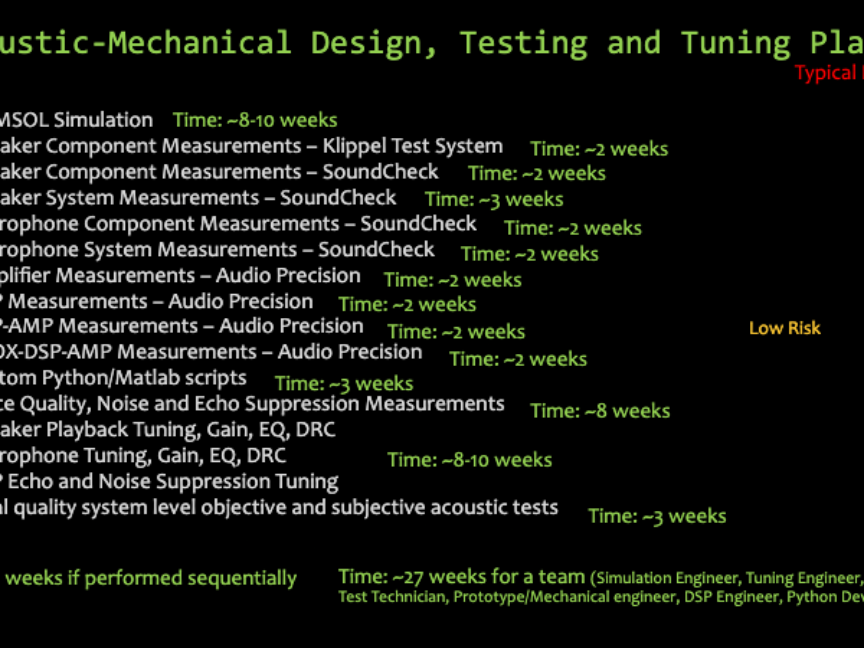
The first version, alone. I designed and built oTo v1 before we had an engineer: schematics, PCB layout, prototype iterations. I fried Nucleo boards and burned through hundreds of components getting a working unit. Then I recruited engineers to take it from working to manufacturable.
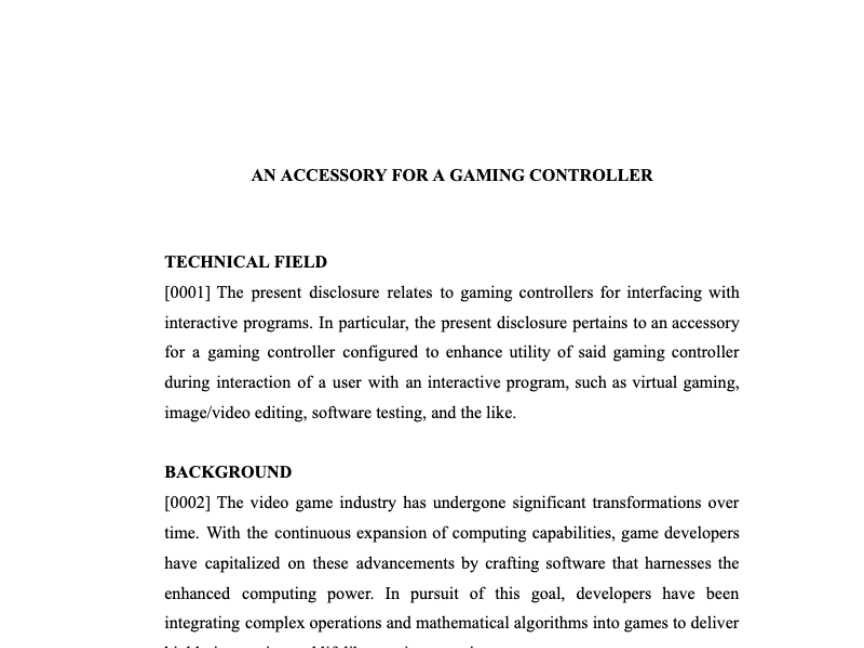
The IP. I led the patent writing. Two design patents granted, one utility patent pending.
The money. As CFO I co-led the $750K raise and the $537K presale campaign, and I run forecasts, budgets, accounting, risk and compliance.
The deal. I handled the negotiations on the Microsoft licensing deal and the buyout offers from other companies that followed, and I controlled the financials behind them, from share structure to the equity terms of the license.
The first oTo I built fried. So did the second. I kept a box of dead boards on my desk until the version that worked.



Point Alpha & Co.
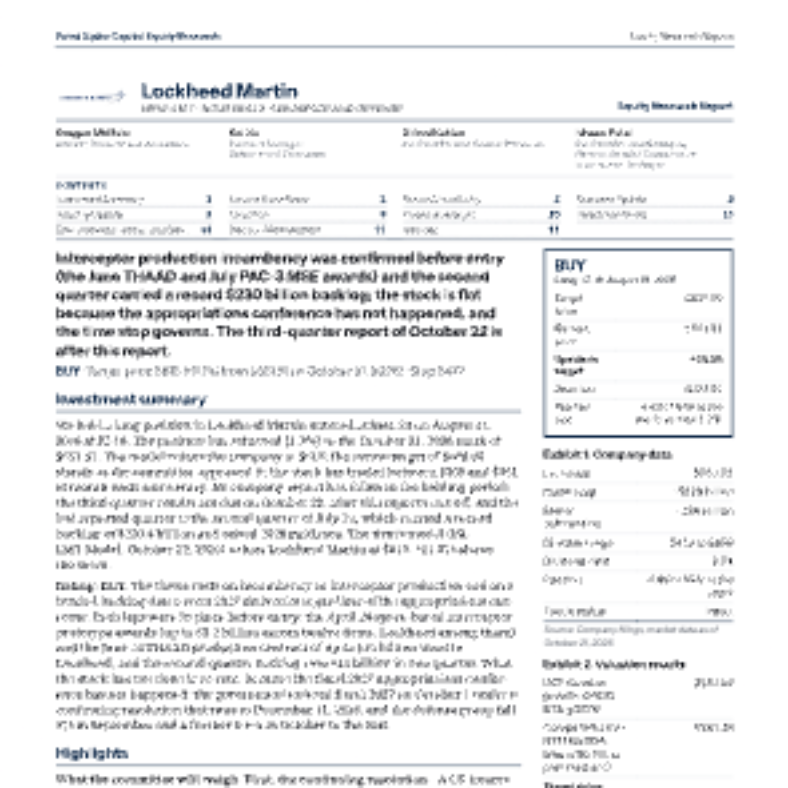
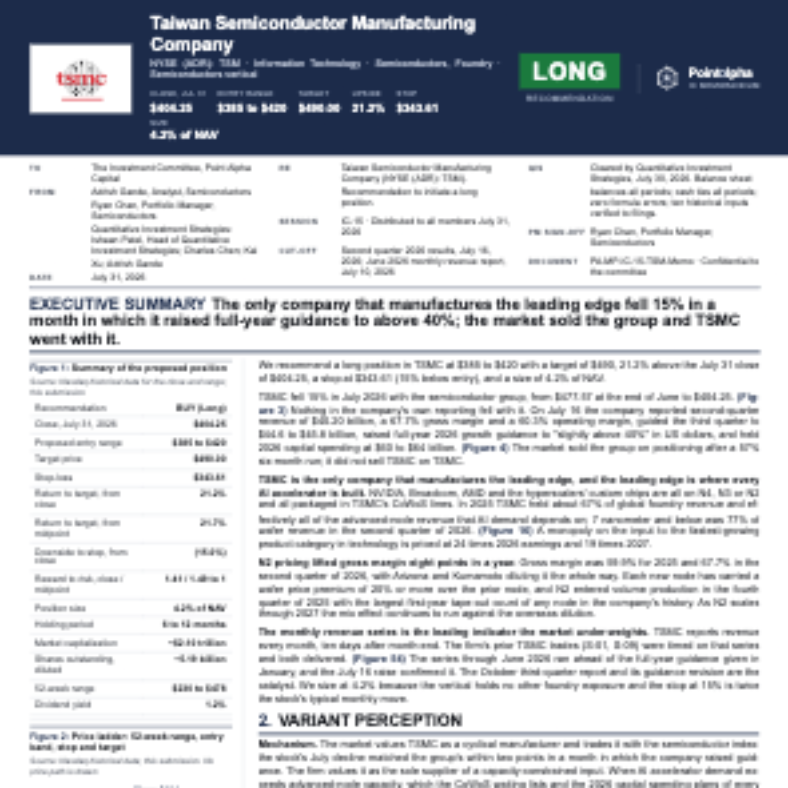
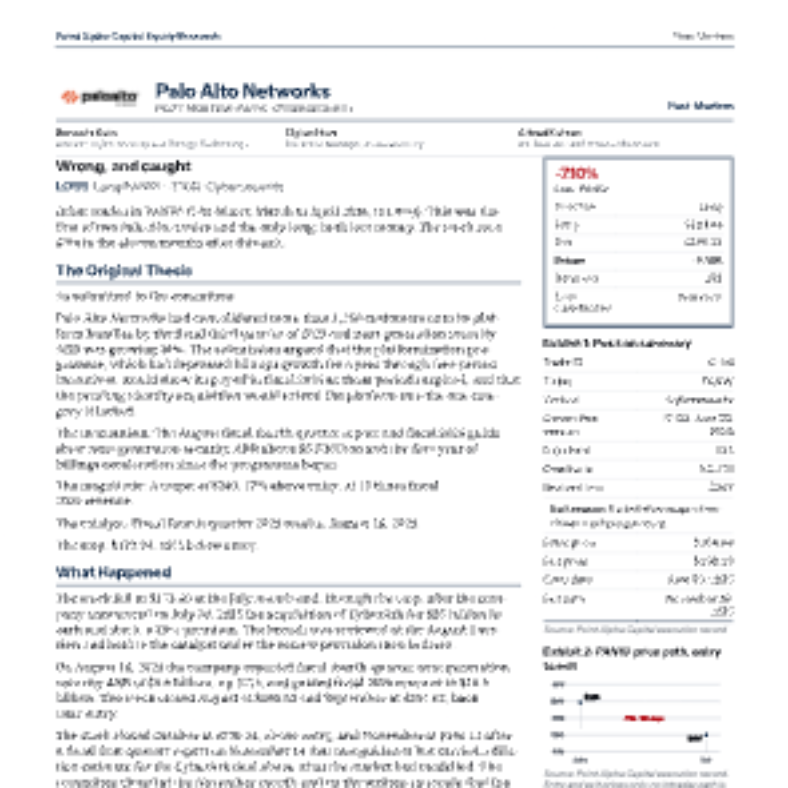
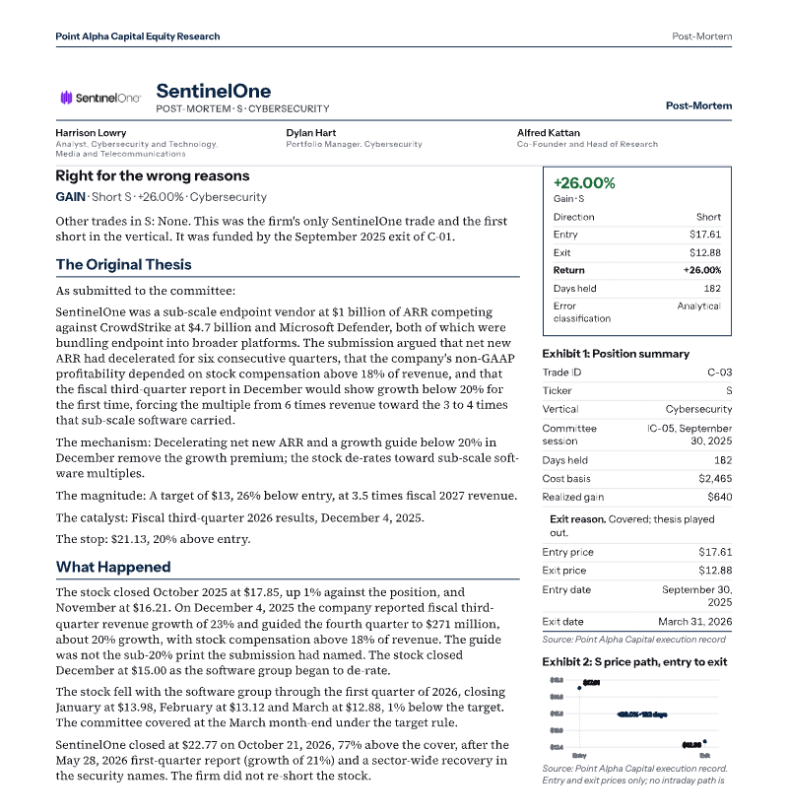
I founded Arizona's first student-run capital management firm. Real money, a real process, up 24.8%.
A closed capital management and equity research firm run entirely by high school students, no school or parent involvement. Three tiers, six sector verticals, an investment committee that votes every position, research published in CFA Research Challenge format. The CIO holds no sector book and sponsors no pitches, so execution stays independent of research.
The firm. Co-founded it, run it, designed the structure.
The research machine. I wrote the research framework and the 10-week analyst course every member takes before they can pitch, and built the pipeline: analyst builds the case, PM sponsors it, committee votes, the firm publishes, post-mortems feed the next cycle. 95 reports so far, every one with bylines.
Quantitative Investment Strategies. I lead QIS: Monte Carlo stress tests, Black-Scholes pricing, multi-factor regression, arbitrage work.
The agent. A Python research agent on the Claude API and SEC EDGAR that pulls the filings and data relevant to a trade, so analysts spend hours thinking instead of scraping. This is what made me want to build Habitat.
The documents and the site. IC memos, board packets, research reports, post-mortems, deep dives, pointalpha.co.
The firm works because 20+ of us argue about every pitch. The best calls have come from analysts who saw what I missed. I built the process so that could happen.
| $M | {{ r.y }} |
|---|---|
| Revenue | {{ r.rev }} |
| Free cash flow | {{ r.fcf }} |
| Discount factor | {{ r.df }} |
| PV of FCF | {{ r.pv }} |

AZ FTRS
Every student gets a different class, built around the career they actually want. A future nurse and a future engineer do not get the same lesson.
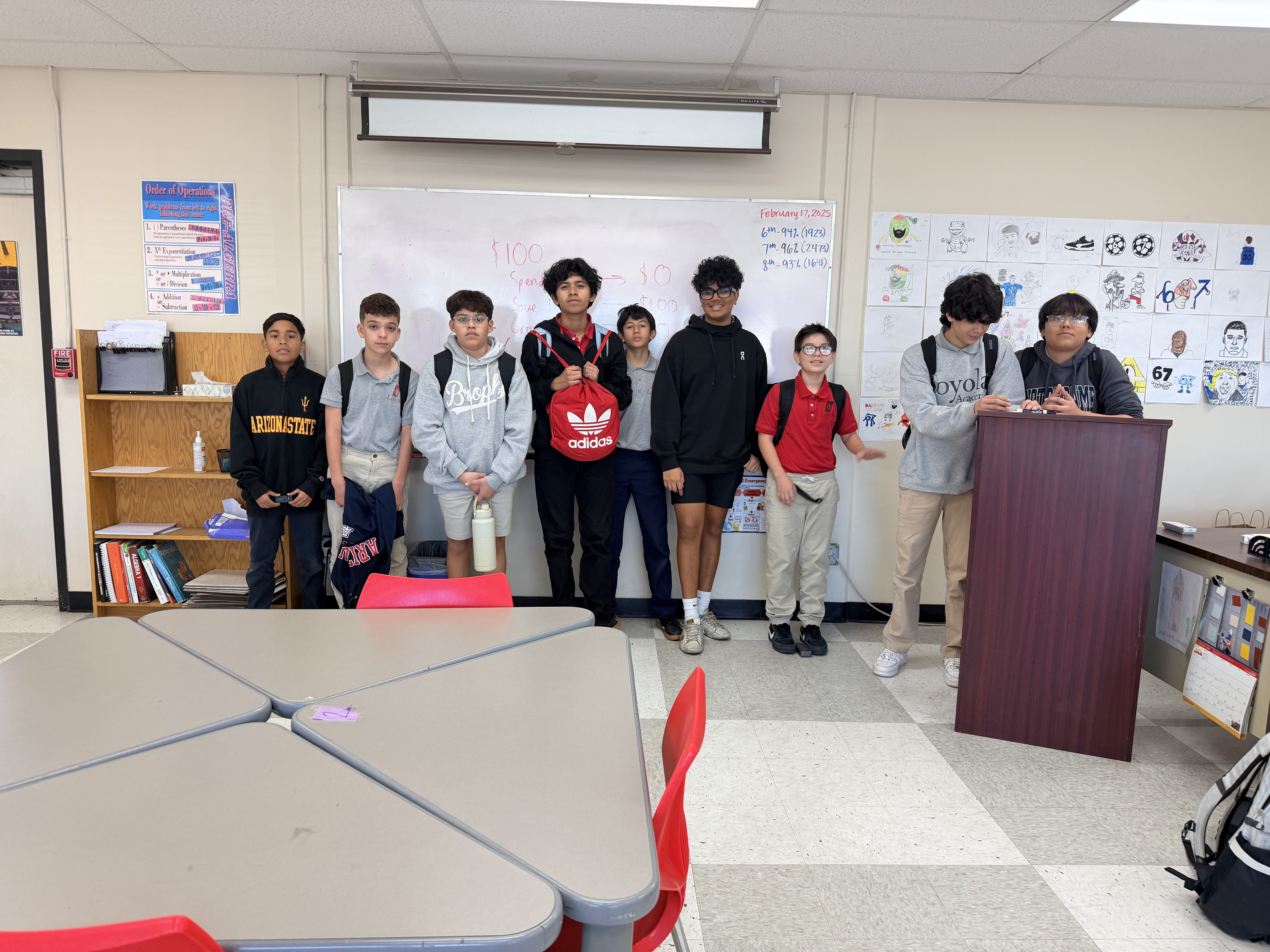
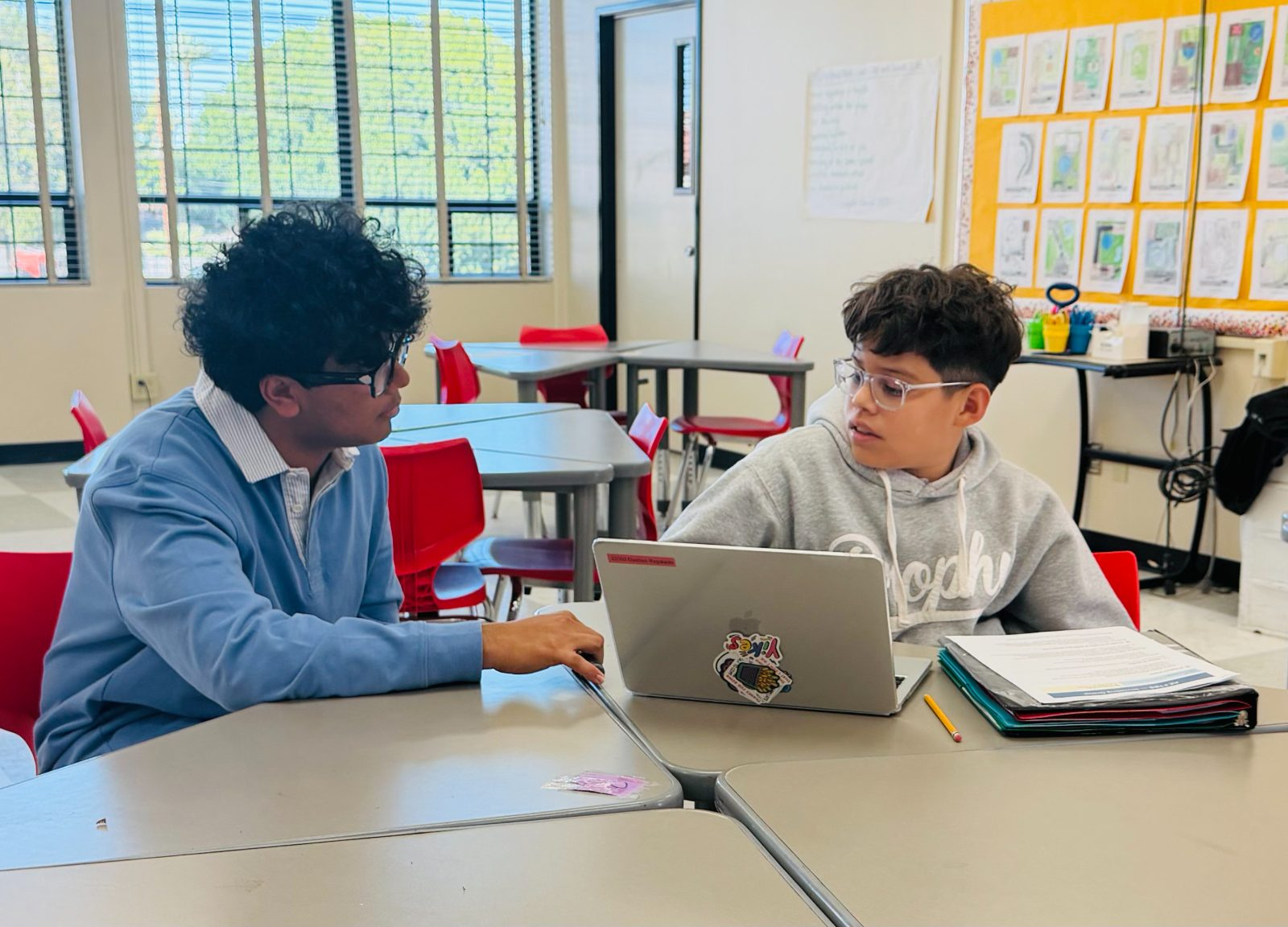
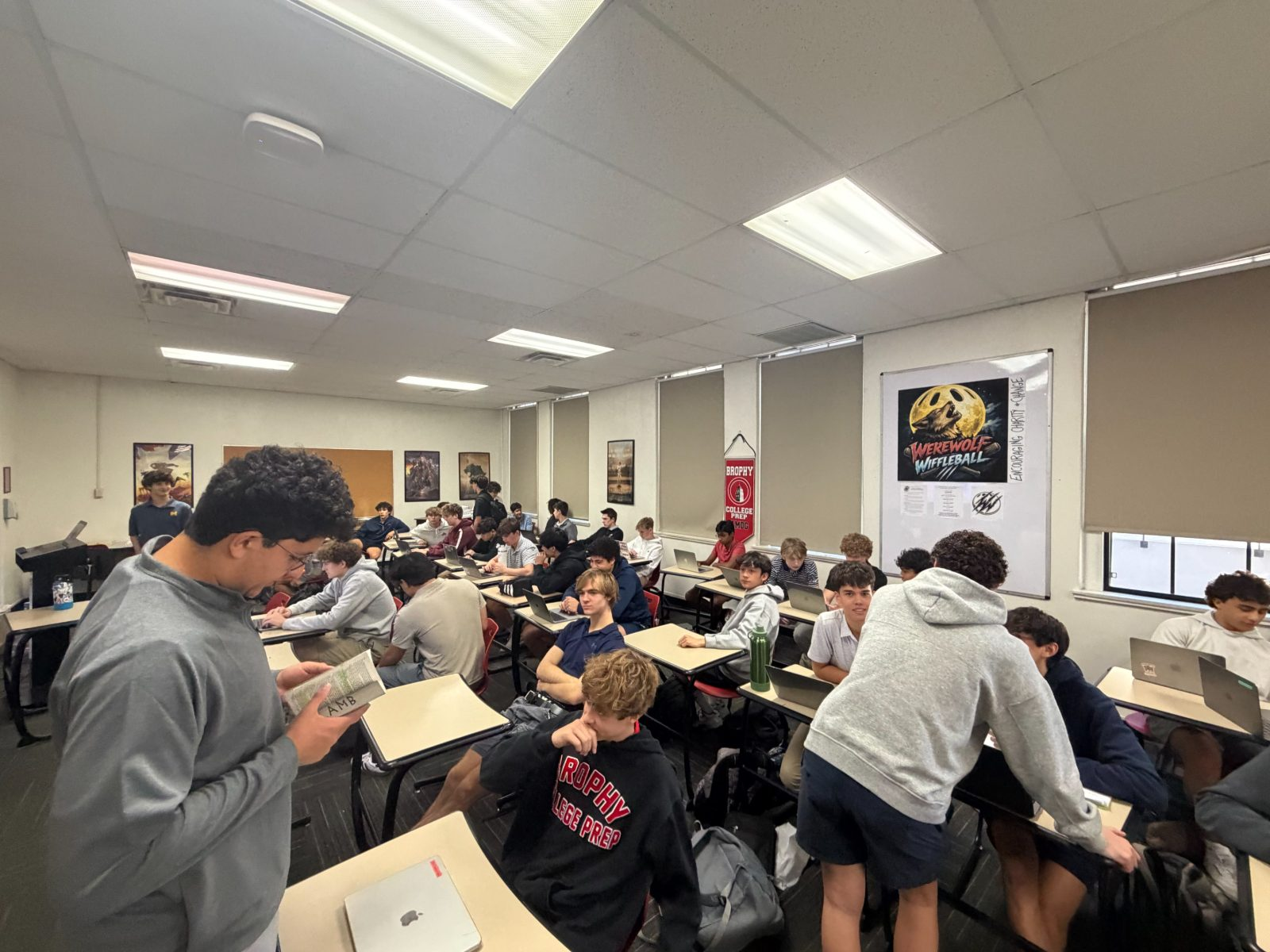
A financial literacy and college access program for first-generation middle and high school students in South Phoenix. I'm first-generation myself. The program runs 14 weekly sessions a semester on money fundamentals, career exploration, how college gets paid for, and entrepreneurial thinking. There is no shared lesson plan. Each student's curriculum is built around their own passions and career goals, so the examples, the math and the final pitch are theirs. Every semester ends with students pitching a venture to guest judges.
Everything. Founded it, wrote the curriculum, recruited the partners, built the website, and stand in front of the room every week. Weekly at Loyola Academy, inside Brophy clubs, Rancho Solano Prep next.
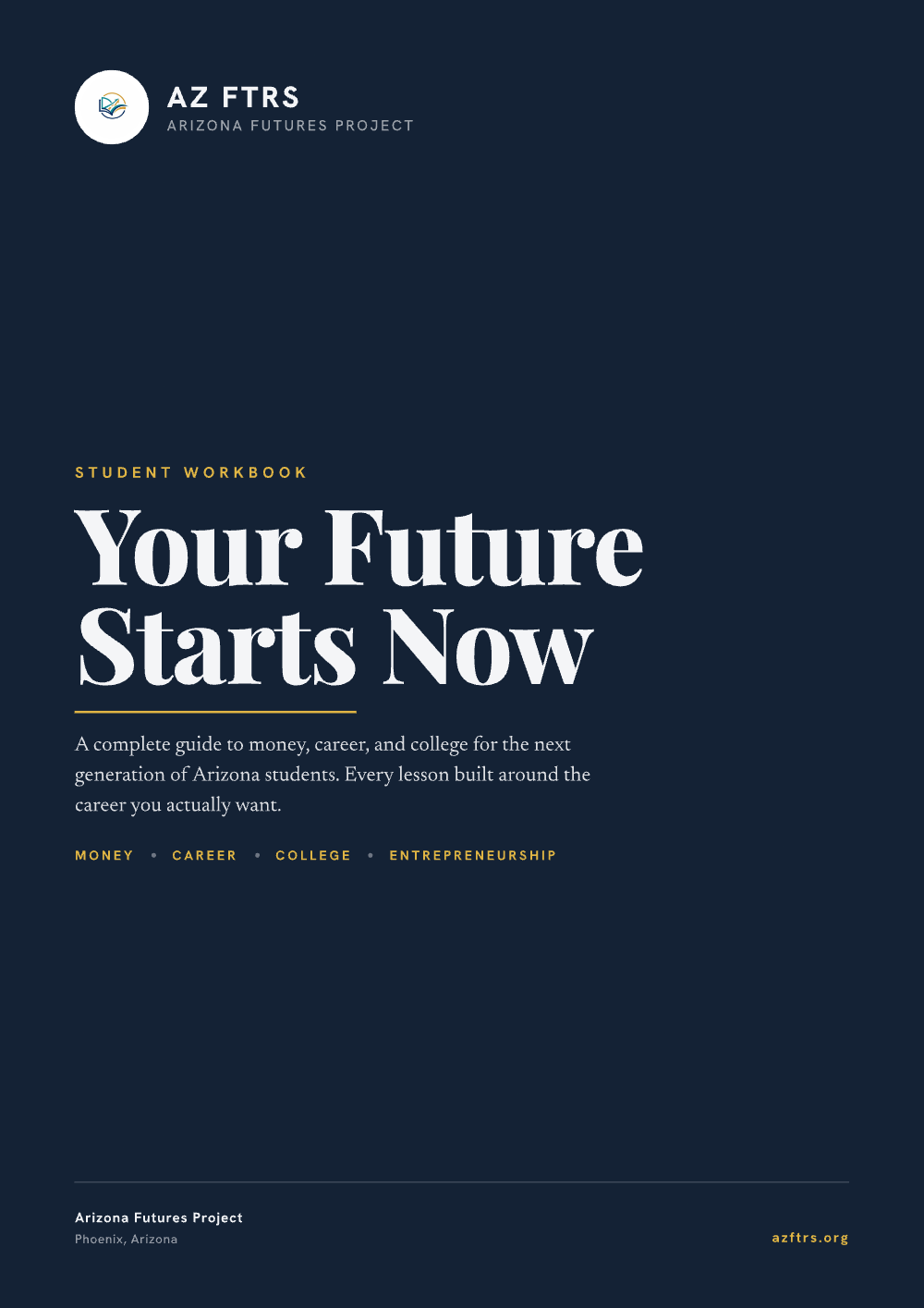
The booklet. I wrote and self-published “Your Future Starts Now,” 60 pages that turn the program into an interactive guide so it reaches schools I cannot teach at.
The partnerships. UMB Bank brings a banker guest speaker and teaching resources. Arizona Council on Economic Education collaborates on content. In progress: distribution across the Veritas charter district, 7,000+ students, and booklet events at Rancho Solano, Great Hearts and others.
Why it is custom. The first semester used one lesson plan for every student. One of them told me it had nothing to do with what he wanted to do, so I rebuilt the program so that each student's goals set their curriculum. That student now helps teach.
Habitat
Everyone is making the agent smarter. Nobody is improving the habitat it works in. I'm building the habitat.
An AI-native environment for agents, with three parts.
A proprietary content storage and memory cache. When an agent completes a task, the result, the derivation and the mistakes get stored as verified facts. The next time any agent asks the same thing, or part of it, the answer is served instantly instead of re-researched. The more a company uses it, the smarter it gets. It is proprietary because it is built to look for, discover and store specific knowledge inside a dictionary drawn from trillions of possible entries, the working vocabulary of finance, PE, trading, compliance and insurance. It knows what it is looking for.
The environment the brain lives in, plus all the data converted from human-made forms (PDFs, websites, viewers, buttons) into structured, connected, machine-readable data an agent can fetch instantly. First corpus: private-company data, starting with Delaware filings, SEC Form D and federal court records, with entity resolution so every company has one canonical ID.
An MCP server and API so any agent, on any model, can work inside it, plus a control layer that shows what each agent is doing, what it has spent, and a hard cap it cannot blow through.
All numbers from my own benchmarks. Earlier MVP: 70% token reduction on stored results. The 6,000-question simulation ran five workload profiles with the judging model deliberately failing 8% of the time.
At YC Startup School I heard Boris Cherny describe agents that ran for two weeks, burned enormous amounts of money, and came back with bad results. Nobody could see what they were doing or spending, and they kept re-deriving things they had already figured out. I had hit the same wall building the Point Alpha agent.
High willingness to pay, expensive research workflows, data trapped in human-oriented formats, and ROI you can measure. First wedge: private-company intelligence for PE and hedge fund research.
My first benchmark said Habitat saved 8%. I thought the idea was dead. It was one labeling bug. Twenty-one of fifty facts had the wrong entity type. Fixed it, reran it, 39%.
Every memory and cache product today (Mem0, Zep, semantic caches) stores what an agent learned but has no truth source to check it against. They serve answers because the question looked similar, so they are cheap, fast, and wrong, and they have no idea when an answer went stale. Every data product (Daloopa and the like) has the clean canonical data but throws away every derivation an agent makes on top of it. Nobody has both halves. Habitat owns the underlying data and the reuse layer in one system, so it verifies that the sources have not changed before it reuses anything, and kills stored answers automatically the moment a new filing drops. It is the only agent memory that can be trusted, because the habitat underneath it knows when the answer changed. And it is a product a person opens and uses, not an SDK sold to an engineering team.
Brain built and benchmarked. Ecosystem in progress. Private repo.
What regulation costs a bank that runs AI
more for AI compute. That is what banks and other regulated firms pay, measured from posted cloud pricing tiers.
I turned a USC internship into my own study. It started as automating data processing and tracking of learning technology across 500+ USC classrooms, connected spaces and auditoriums. I noticed compute was priced differently for different kinds of firms and asked why.
That became a USC-backed research study I designed and lead myself: what regulation actually costs financial institutions running AI, measured from posted cloud pricing tiers, with USC as a case study. Publication is next.
Gold is priced. Oil is priced. Compute, the input behind millions of companies, is subsidized by whoever wants market share. I wanted to know what it should actually cost a bank versus a hedge fund.
Where I've worked
Internships and fellowshipsWhere I've led
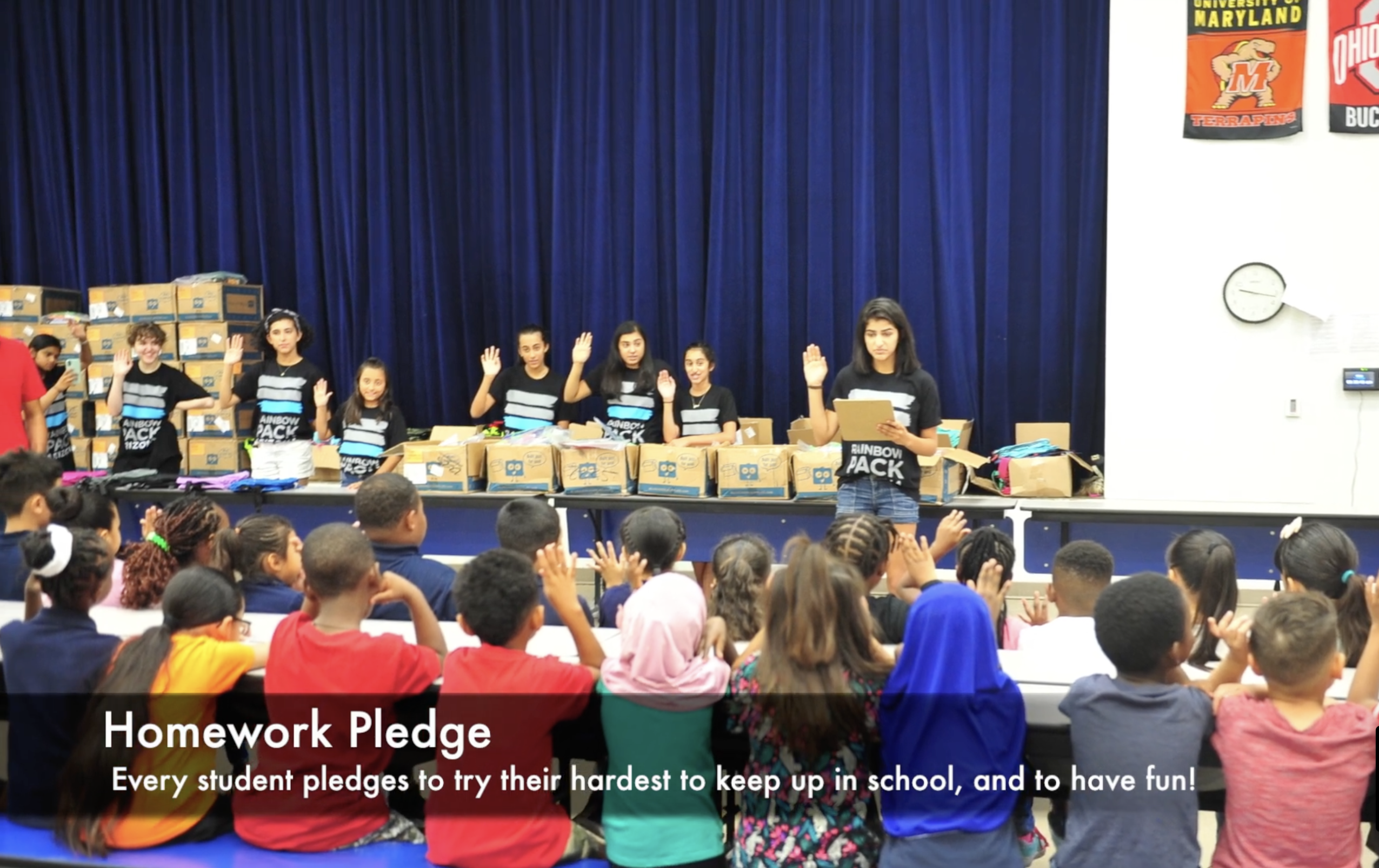
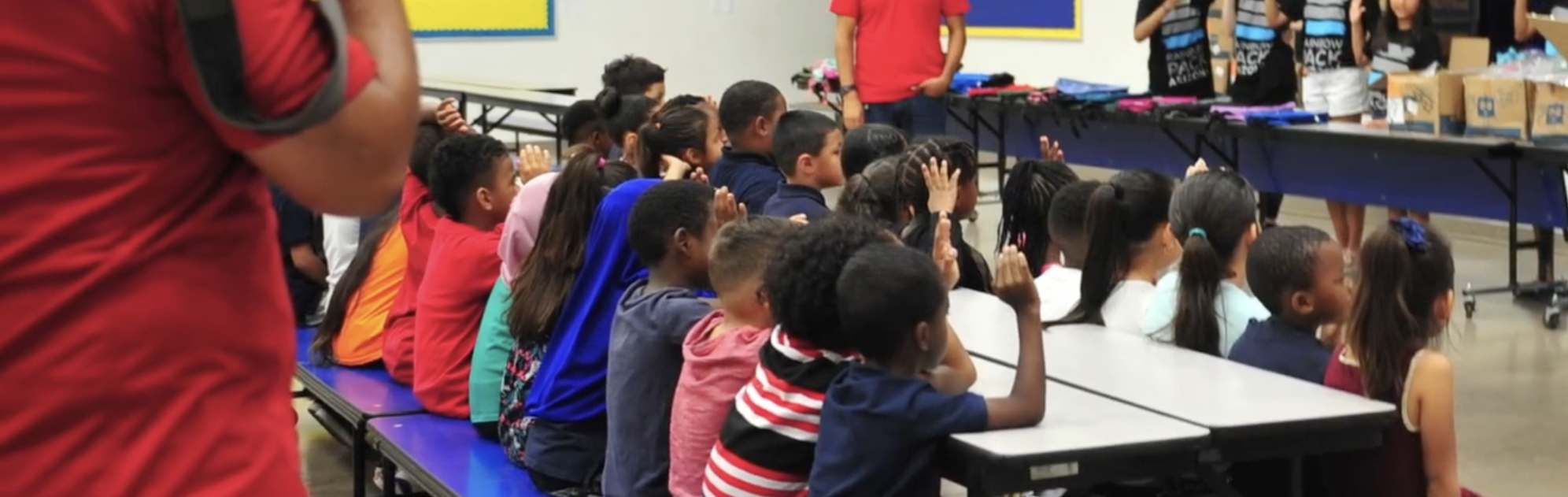
Community work and Brophy clubsI ran the annual fundraiser, secured Mayo Clinic and the University of Arizona's Native SOAR as partners, manage the supply budget, and have personally handed more than a thousand packs to families on distribution days.
{{ g.d }}
Also: National Honor Society, Padre Kino Chapter (15+ direct service hours a year with a marginalized community) · First-Gen Club · Indian Subcontinental Student Union, where I help plan the yearly Holi celebration and Diwali food fair · Red & White Ambassador · AFS Global / UPenn Changemaker Fellow, Mar to May 2026: a cohort across four continents, certified through Penn's School of Social Policy and Practice, focused on inequity in financial knowledge and college access for first-generation students.
Where I've studied
Two days at the Chase Center with YC partners and founders across AI and fintech: talks, office hours, and the AI engineering event with Claude, OpenAI and Stripe. Hearing Stripe's CEO talk about pricing compute, the exact question behind my USC research, told me the problem was real.


Intended double major: finance and computer science. Goal: work where AI and finance meet, then start a fintech company that puts AI to work on real financial decisions for people who can't afford a team of analysts. I'm first-generation: my mom went to community college, my dad didn't go past high school, and nobody at home could explain how college or money worked, so I figured it out and then started teaching it.
Off the clock
Tennis, chess, poker, cooking. And computers.
Computers are where all of this started. At 13 I convinced my parents to let me buy the parts and build my own PC. I told them it was for school and games. I wanted it to mine crypto. It did, and watching the price move all day pulled me into markets: data from every sector in the world converging on one number, and I could connect anything to anything. I learned to code so I could do that faster, and I have been taking that machine apart and rebuilding it ever since.